
What to Expect in Firearm Basic Training: A Beginner's Guide to Safety and Marksmanship
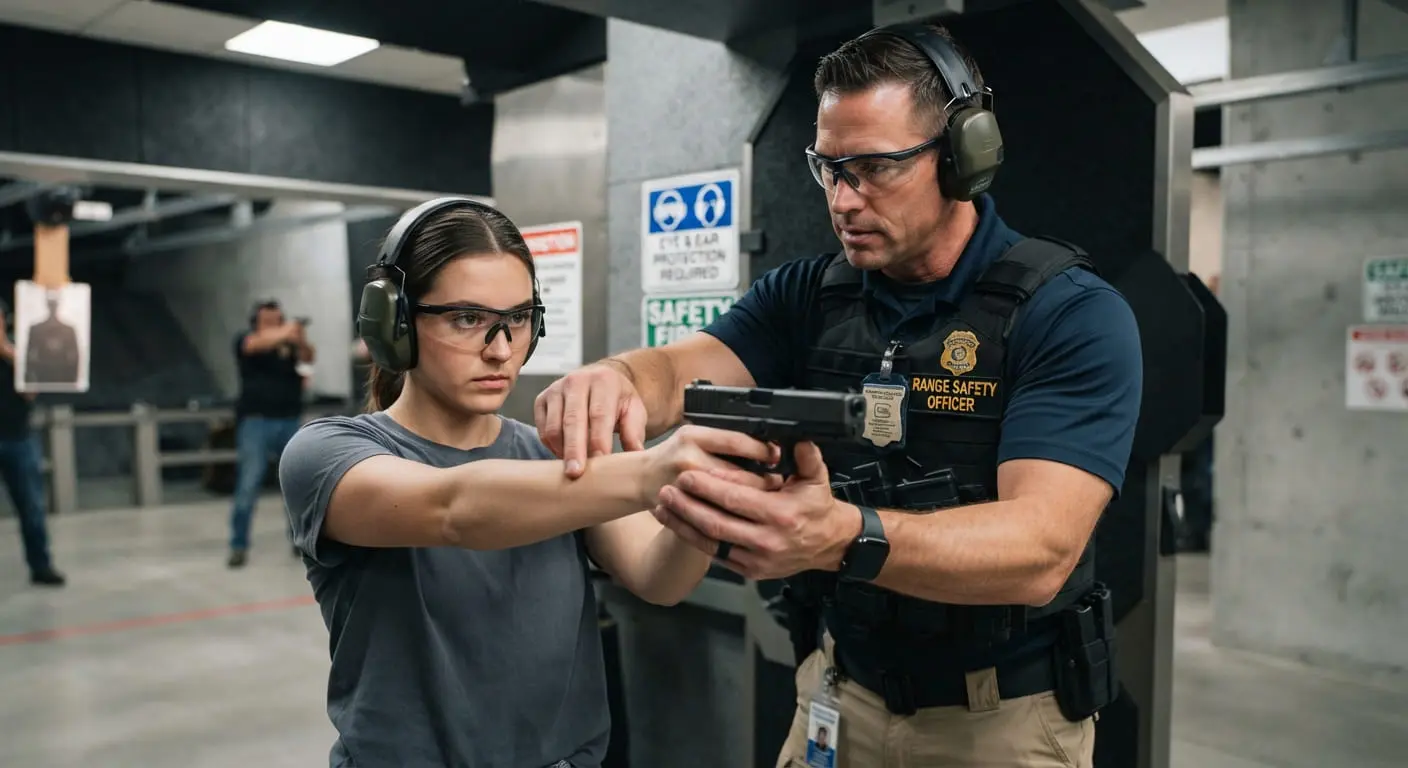
Taking the first step toward firearm ownership or marksmanship can feel overwhelming. Whether you are seeking self-defense skills, preparing for a concealed carry permit, or simply interested in recreational target shooting, starting with structured basic training is essential.
Proper basic training builds confidence, instills safe habits, and ensures you develop muscle memory grounded in core marksmanship principles rather than bad habits. In this guide, we break down what firearm basic training covers, the universal safety rules you must master, and how professional instruction sets you up for long-term success.
1. The Core Objective of Firearm Basic Training
Firearm basic training is designed for individuals with little to no prior experience, as well as intermediate shooters wanting to refresh their foundational mechanics. The goal isn't immediate precision at 50 yards; it is establishing safe handling, understanding firearm mechanics, and learning consistent firing fundamentals.
During initial training, you focus on three core pillars:
- Safety Protocols: Understanding how to handle firearms safely in any environment.
- Mechanical Competence: Knowing how handguns operate, loading/unloading procedures, and clear-chamber checks.
- Foundational Marksmanship: Mastering sight alignment, trigger control, stance, and grip.
2. The Four Universal Rules of Gun Safety
Before touching a firearm or walking onto a range, every student in basic training learns the four cardinal rules of gun safety. These rules apply everywhere, at all times:
- Treat every firearm as if it is loaded. Never assume a gun is clear—always physically and visually inspect the chamber yourself.
- Never point the muzzle at anything you are not willing to destroy. Always keep the firearm pointed in a safe direction (downrange or toward a dedicated backstop).
- Keep your finger off the trigger until your sights are on the target and you have made the decision to shoot. Your index finger rests along the frame above the trigger guard until you are ready to fire.
- Be sure of your target and what is beyond it. Always know where your projectile will land if it misses or passes through the target.
3. Key Fundamentals Taught in Basic Training
Once safety rules are thoroughly understood, basic training moves into physical mechanics:
Proper Grip and Stance
- Grip: High on the backstrap with your dominant hand, wrapping your support hand firmly around the exposed grip surface to manage recoil effectively.
- Stance: A balanced, aggressive posture (such as the isosceles or modified isosceles stance) with feet shoulder-width apart to absorb recoil naturally.
Sight Alignment and Sight Picture
- Sight Alignment: Centering the front sight post within the rear sight notch, keeping the tops level and equal space on both sides.
- Sight Picture: Placing the aligned sights directly on your target's center of mass while keeping focus sharp on the front sight post.
Trigger Control and Follow-Through
- Trigger Control: Pressing the trigger smoothly straight back to the rear using the pad of your index finger without disturbing sight alignment.
- Follow-Through: Maintaining sight focus and trigger pressure through the shot until reset.
4. What Happens During Your First Range Session?
When transitioning from classroom theory to live-fire practice in basic training, you can expect a structured, controlled environment supervised by certified instructors:
- Safety Briefing: Reviewing range commands (such as "Cease Fire") and safety expectations.
- Dry-Fire Practice: Practicing stance, grip, and trigger squeeze without live ammunition to build confidence.
- Live-Fire Drills: Firing single shots or low-round groupings at close distances (typically 3 to 5 yards) to focus on mechanics rather than distance.
Ready to Take Your First Step?
Investing in professional basic training is the single best decision you can make as a beginner firearm owner. By learning from experienced instructors in a supportive environment, you replace anxiety with skill and confidence.
Ready to get started? Check out our upcoming classes on the course schedule or contact us today to book your basic firearm safety training session!
Ready to Get Certified?
We offer fully compliant, in-person training courses that satisfy Virginia's CCW requirements.
View Our CCW Courses →